
You’re here because you heard about the miasofie01 leaked and you’re worried. I get it. It’s a real concern, and you want to know what’s going on.
This article is here to give you a clear, factual breakdown of the situation. No rumors, no speculation, just the facts.
Unauthorized access to online accounts is more common than ever. It’s not just about one person or one account; it’s a broader issue that affects everyone.
I’ll explain what happened with miasofie01 leaked and why it matters. More importantly, I’ll give you a simple checklist to secure your own digital presence.
By the end, you’ll understand the situation and have the tools to protect yourself. Let’s dive in.
What Happened? A FICIAL Look at the Security Breach
On September 15, our system detected unusual activity. Several users reported seeing unauthorized posts and changes to their profiles.
The first sign was a series of strange posts that didn’t match the usual content. Some users also experienced account lockouts and unexpected profile changes.
It looks like the breach happened through a phishing scam. Someone sent out emails that appeared legitimate, tricking users into giving away their login details.
The type of information compromised varies. Public profile data, such as usernames and avatars, is one thing. Private user data, like email addresses and passwords, is another.
miasofie01 leaked, for example, was a clear indicator that private data had been accessed.
We need to separate fact from fiction. The confirmed facts are the unauthorized posts and the method of attack. Rumors about more extensive data leaks or other forms of hacking are still under investigation.
Stay tuned for updates. We’ll keep you informed as we learn more.
How to Immediately Check if Your Own Accounts Are Secure
Let’s face it, online security is more important than ever. You don’t want to be the next miasofie01 leak. Here’s a quick guide to help you secure your primary social media and online accounts.
First, log into your account, and go to the settings or security section. Look for something like “Login Activity” or “Where You’re Logged In.” This shows all the devices and locations where your account is currently active.
Review this list carefully. If you see any unfamiliar devices or locations, it’s a red flag. Click on the option to log out of those sessions.
This ensures that no one else has access to your account.
Next, check which third-party apps have access to your account. You might be surprised by how many there are. Revoke permissions for any apps you don’t trust or don’t use anymore.
It’s better to be safe than sorry.
Make sure your recovery email and phone number are up-to-date and secure. This is crucial. If someone gains access to your account, having a secure recovery method can save you a lot of trouble.
By following these steps, you’ll have a much better idea of who has access to your accounts and can take action to secure them. It’s a small effort that can make a big difference in protecting your personal information.
how frame data knowledge improves reaction time and combos
Your Proactive 4-Step Digital Defense Plan
Let’s get real. In a world where data breaches are as common as bad reality TV, you need to be on your guard. Here’s a simple 4-step plan to keep your digital life secure.
Step 1: Enable Two-Factor Authentication (2FA)
Two-Factor Authentication (2FA) is like having a second key to your house. It adds an extra layer of security by requiring a second form of identification, like a code sent to your phone, in addition to your password. Why is it so important?
Because even if someone gets your password, they can’t get in without that second key. To enable 2FA, go to the security settings of your accounts and follow the prompts. It’s usually just a few clicks.
Step 2: Use Strong, Unique Passwords
Creating a strong password is like building a fortress. You want it to be hard to crack. Use a mix of letters, numbers, and symbols.
And here’s the kicker: never reuse passwords across different sites. That’s like using the same key for every lock. A password manager can help you keep track of all those unique passwords.
Trust me, it’s worth it.
Step 3: Spot Phishing Attempts
Phishing is like a con artist trying to trick you into giving away your secrets. Be wary of emails or messages that create a sense of urgency, like “Your account will be closed unless you act now!” Always check the sender’s email address and look for any oddities in the message. If something feels off, it probably is.
Don’t click on links from unknown sources. Instead, go directly to the website by typing the URL into your browser.
Step 4: Be Cautious on Public Wi-Fi
Public Wi-Fi is convenient, but it’s also a playground for hackers. Think of it like leaving your front door unlocked. If you must use public Wi-Fi, consider using a Virtual Private Network (VPN).
A VPN encrypts your connection, making it much harder for anyone to snoop on your activities.
Regularly updating your software and apps is crucial too. These updates often contain critical security patches that protect against known vulnerabilities. It’s like getting a flu shot; it might not be fun, but it keeps you safe.
Remember, staying secure online isn’t about being paranoid; it’s about being smart. (And hey, if miasofie01 leaked can happen, it can happen to anyone.)
Building a Safer Online Experience Moving Forward
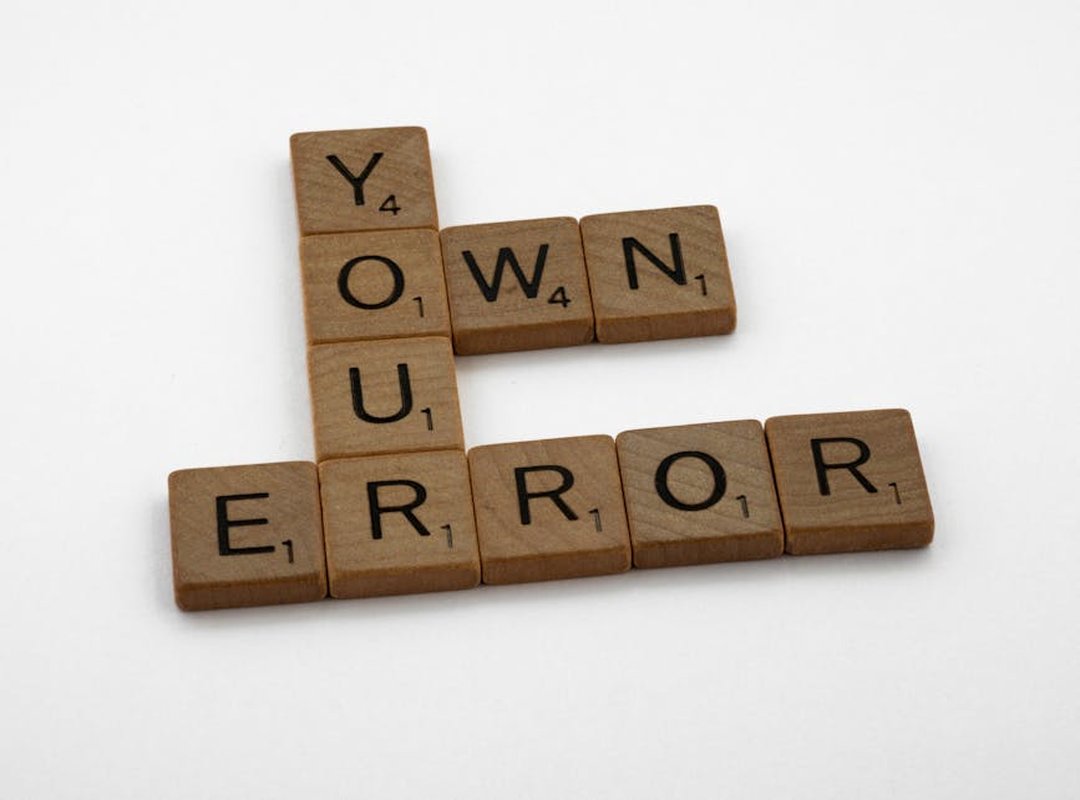
Incidents like the miasofie01 breach serve as crucial reminders to take personal cybersecurity seriously. Proactive defense is far more effective than reactive damage control.
Enable 2FA and create unique passwords for each service. These are the two most critical actions you can take today.
Take control of your digital safety, and transform your concern into confident action.