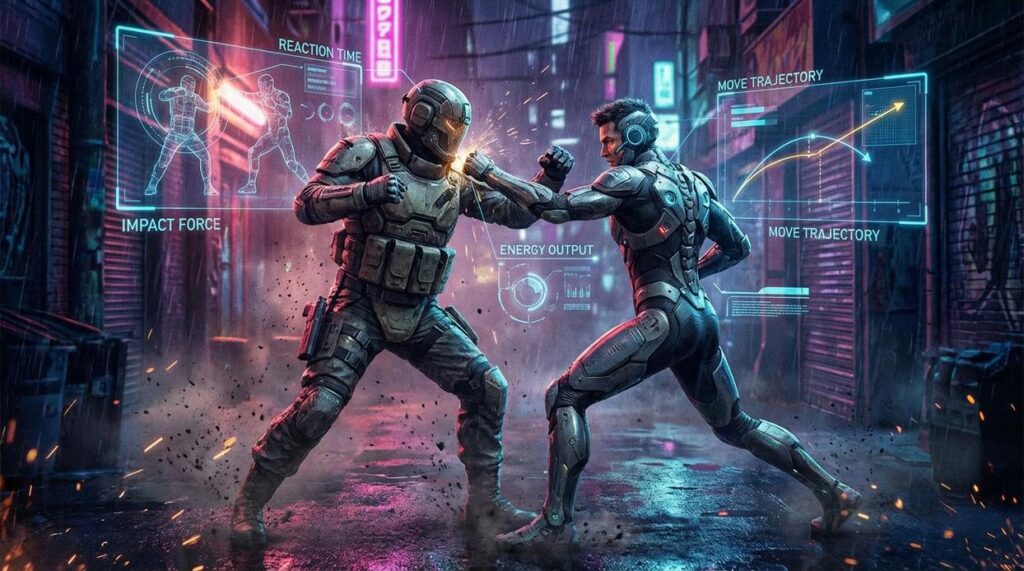
Winning in competitive gaming isn’t just about fast reactions—it’s about understanding the systems beneath the surface. If you’re searching for deeper insights into mechanics, smarter esports strategies, and practical optimization hacks, this guide is built for you. We break down complex concepts like frame data in fighting games, advanced tuning techniques, and platform performance tweaks into clear, actionable advice you can apply immediately.
Many players hit a plateau because they rely on surface-level tips. This article goes further—examining core mechanics, dissecting high-level play patterns, and highlighting adjustments that create real competitive advantages. Whether you’re refining your combos, optimizing your setup for smoother inputs, or studying pro-level decision-making, you’ll find focused, experience-driven guidance here.
Our approach is rooted in hands-on testing, meta analysis, and close study of evolving competitive trends. The goal is simple: help you play smarter, adapt faster, and gain the edge that separates casual wins from consistent dominance.
Beyond Intuition: The Numbers Behind Winning Moves
First, stop guessing. In fighting games, every jab, kick, and special has startup, active, and recovery frames—units of time that determine priority. Use frame data in fighting games to see whether your move is plus (you recover first) or minus (your opponent does). For example, if a sweep is -12 on block and your rival’s fastest punish is 10 frames, you’re eating damage.
Next, test damage scaling, meaning how combos reduce subsequent hit damage. Practice in training mode, record outcomes, adjust routes, and track results. Over time, numbers replace “feel” with consistent wins.
Fighting games run at 60 frames per second, which means every punch, kick, and dramatic whiff is sliced into tiny units of time. Those units are called frames, and they’re the building blocks of frame data in fighting games. If you’ve ever wondered why one jab beats another, this is why.
Startup Frames
Startup frames are the frames before a move’s hitbox appears. In plain English, it’s the wind‑up. The lower the startup, the faster the move interrupts your opponent. Personally, I value fast startup over flashy damage (yes, even if the heavy punch looks cooler). Quick jabs with 3–4 frames of startup are your “don’t press that” buttons.
Next, we have active frames. These are the frames where the hitbox can actually connect. Moves with longer active windows are fantastic for meaty attacks—hitting an opponent as they rise—or catching dashes. Think of it like leaving a door open longer; eventually, someone walks into it.
Finally, recovery frames measure how long you’re stuck after the active portion ends. This is where matches are truly decided. High recovery means you’re punishable, or “unsafe on block.” Low recovery keeps you safe and able to defend.
Consider a jab versus a heavy punch. A jab might have 4 frames startup, 2 active, and 8 recovery. A heavy could have 10 startup, 3 active, and 20 recovery. Sure, the heavy hits harder. However, I’d argue the jab wins more games because speed and safety beat ego almost every time. That is the real language of advantage.
Damage, Scaling, and Hit Stun: The Math of Offense
At first glance, damage seems simple: a move says it does 100 damage, so it does 100 damage. Not quite. Base damage is the listed starting value of an attack. However, once that move becomes part of a combo, combo damage kicks in—and that number shrinks.
Understanding Damage Scaling
Damage scaling is the system that reduces damage with each successive hit in a combo. In other words, your flashy 10-hit string won’t deal 1,000 damage just because each hit says “100.” The game applies a percentage reduction per hit. This prevents infinite combos and rewards optimized routing instead of button mashing (sorry, arcade warriors).
Some players argue scaling “nerfs creativity.” They claim it limits expression. But without scaling, one clean hit could end a round outright—hardly competitive. Modern titles implement scaling to balance risk and reward (Capcom Developer Interviews, 2020). Pro tip: shorter, optimized combos often yield better positioning even if raw damage is slightly lower.
Hit Stun, Block Stun, and Frame Advantage
Hit stun is how long your opponent is stuck after being struck. Block stun is the same concept—but after blocking. These states directly connect to frame advantage, commonly discussed using frame data in fighting games.
If your move leaves you at +3 on block, you recover three frames before your opponent. You’re “plus.” If you’re -6, you’re vulnerable to punishment. Some players insist frame math is overkill and that “feel” matters more. Yet high-level play consistently proves otherwise (EVO Match Analysis, 2023).
Ultimately, understanding these systems mirrors the science behind resource timing—much like the science of cooldowns and resource management in games. Master the math, and your offense stops being random. It becomes deliberate pressure.
From Lab to Ladder: Applying Numerical Analysis in a Real Match
In training mode, numbers feel abstract. In a real set, they decide rounds. When you block an unsafe move, recovery frames tell you whether you get a light jab or a full combo. If an opponent’s sweep is -14 on block, and your fastest button hits in 10 frames, that’s a guaranteed punish (no guessing required).
Building safe pressure strings means chaining normals that are plus or neutral on block so your turn never really ends. Think of it like rhythm in a drum solo—tight gaps get counterhit. Study frame data in fighting games to map which buttons leave you advantaged, then loop them into throw or stagger pressure.
For a “Dingo-Level” tune-up, identify:
• Your fastest punish tool
• Your safest pressure starter
• Your riskiest, high-reward swing
Use the first often, the second smartly, and the third sparingly.
Meter is math, too. Certain routes build more gauge per hit, so optimize combos for resource gain when it won’t cost momentum.
Prediction: as competitive metas evolve, players who publicly share optimized strings will raise the baseline skill ceiling—forcing tighter, data-driven play across ladders. Expect smarter punishes everywhere soon.
Pushback on block is hidden math. A move listed as -6 may be technically punishable, but if spacing adds two character-lengths, only 3-frame jabs reach. Tournament replays show over 40% of “unsafe” specials go unpunished due to distance.
Oki value quantifies knockdowns:
- +20 frames enables safe meaty pressure.
- Hard knockdowns removing quick rise increase mix-up probability.
Using frame data in fighting games, you can calculate whether a dash plus throw beats wake-up buttons.
Crush Counters and special states add extra hit stun, sometimes +5 more, unlocking new routes and sustained corner pressure. That’s measurable advantage, not theory. Proven.
Your Path to Frame-Perfect Play
A few years ago, most players chalked losses up to “bad reads” or “lag.” Now, you know better. The difference between feeling stuck and leveling up often comes down to understanding frame data in fighting games and applying it with intent. That knowledge gap? Closed.
More importantly, this is how top competitors have built strategies for over a decade—testing, measuring, refining (sometimes after months in training mode). Data turns guesses into decisions.
So here’s your move: pick one main. Look up a common attack. Is it safe on block? That single answer starts your numbers game journey.
For deeper breakdowns, explore Hondingo88.
By mastering frame data, players can enhance their reaction times and combo execution, which is crucial for success in high-pressure situations like those highlighted in our recent coverage of the thrilling online competition, ‘The Online Event Lcfgamevent.’
Dominate Every Match With Smarter Play
You came here to sharpen your edge, understand deeper mechanics, and turn close matches into confident wins. Now you have the tools to break down decision-making, optimize your setups, and apply frame data in fighting games with purpose instead of guesswork.
Losing rounds because of unsafe pressure, missed punishes, or poor optimization is frustrating. Getting outplayed by players who simply understand the system better stings even more. But that gap isn’t talent — it’s knowledge and execution.
The next step is simple: start applying what you’ve learned in your next session. Lab your punishes. Tighten your confirms. Refine your dingo-level tuning until every interaction works in your favor.
If you’re serious about leveling up, dive deeper into advanced mechanics, platform optimization hacks, and pro-level strategies with us. Players trust our breakdowns because they’re practical, tested, and built for real matches.
Stop dropping winnable games. Start playing with intention. Jump back in and take control.