
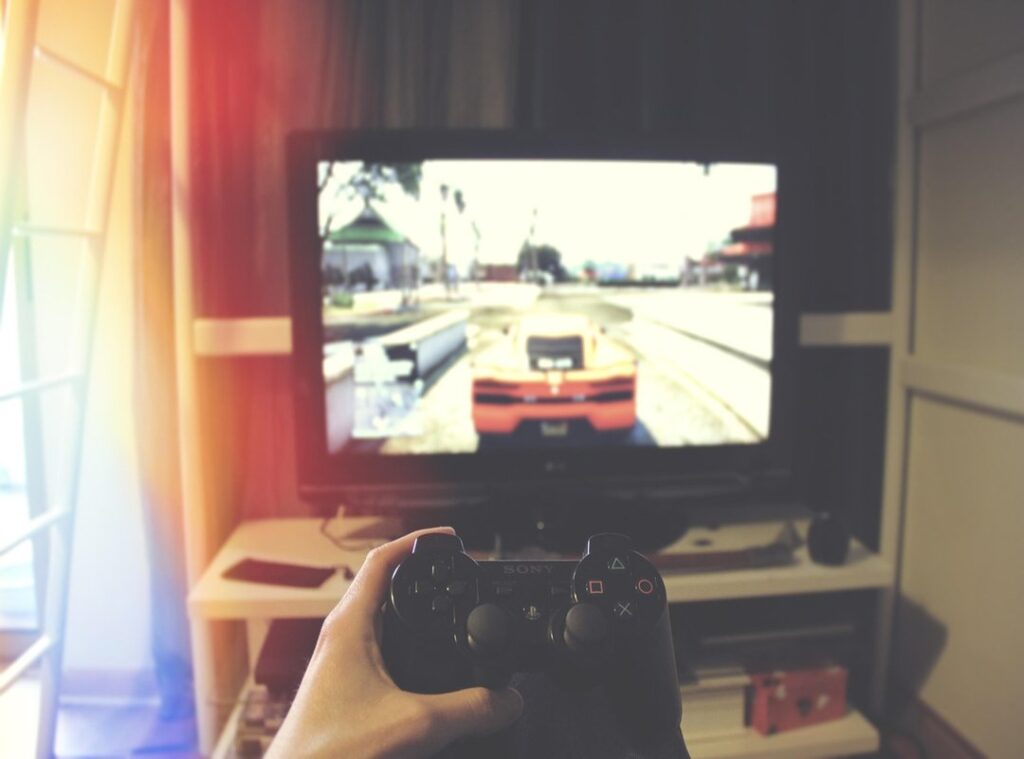
Ever felt the rush of outsmarting a cunning enemy squad or losing yourself in a sprawling, unpredictable game world? That’s not just luck. It’s the magic of AI in video games.
But is it really magic? Nope. It’s smart coding and clever design, shaping every move.
Curious how it all works? You’re not alone. I’ve gone deep into the nuts and bolts of gaming mechanics (from indie hits to AAA titans) to figure it out.
This isn’t just a history lesson. Think of it as a backstage pass to the secrets behind your favorite games. We’ll dig into how AI brought games from simple bots to today’s jaw-dropping tech marvels.
By the end, you’ll see how AI is the secret sauce that makes modern gaming so immersive and changing.
Beyond Basic Bots: AI’s Real Role in Gaming
AI in video games isn’t just about enemies sprinting straight at you, guns blazing. It’s a bit more sophisticated. I mean, who wants a game where every bad guy is just a kamikaze runner?
AI crafts these digital worlds into something changing, unpredictable, and alive.
Key Functions of AI
- Pathfinding: Think of it like the ‘GPS’ for every character. It helps them get through complex levels without face-planting into walls. Imagine playing a game where enemies just spin in circles. Not fun.
- Decision Making: This is where the magic happens. It’s like a ‘digital playbook’ that tells enemies when to flank, take cover, or charge. It’s why you can’t predict every move (unless you’re some kind of psychic).
- Changing Difficulty Adjustment: Ever notice how games seem to get tougher just as you start getting good? That’s no accident. AI tweaks the challenge to keep you on your toes but not pull-your-hair-out frustrated.
- Procedural Content Generation (PCG): The wizardry behind games like No Man’s Sky. Ever wondered how those infinite worlds exist? Thank PCG. It ensures you never run out of new places to explore.
AI is the invisible system behind every living, breathing game world. It’s what makes these worlds feel responsive and engaging.
Curious about the future of gaming? Check out why VR gaming is future. It’s fascinating how AI and VR are shaping new realities.
In the end, AI isn’t just a tool. It’s what makes gaming an adventure. And that’s why I love it.
The AI Hall of Fame: Icons That Changed Gaming Forever
When we talk about AI in video games, a few legendary examples immediately spring to mind. These aren’t just gimmicks; they are new systems that changed how we experience games.
Take F.E.A.R. for instance. The AI in this game, powered by GOAP (Goal-Oriented Action Planning), made every firefight memorable. You weren’t just shooting at blank targets; you were up against enemies that flanked, suppressed, and communicated with each other.
It was like playing chess, but with bullets. This wasn’t your typical FPS experience. It set a standard that many have tried to mimic but few have succeeded.
Then there’s the Xenomorph in Alien: Isolation. This isn’t just some monster hiding in the shadows. The “Director AI” creates a living, breathing hunter that’s constantly learning from you.
It’s unpredictable, constant, and genuinely terrifying. Just when you think you have a moment to breathe, it’s there, lurking. The AI’s ability to adapt keeps you on edge, transforming the game into a nerve-wracking experience.
And how can we forget the Nemesis System from Shadow of Mordor? This was a game-changer (pun intended). Enemies would remember fights, hold grudges, and even develop personal vendettas.
Suddenly, you’re not fighting nameless goons; you’re battling foes with a history tied to yours. This made every encounter unique and personal. The world felt alive and reactive, as if it was watching your every move.
Lastly, a nod to The Last of Us. Companion AI like Ellie wasn’t just about tagging along. She felt real, aware, and helpful.
Her actions contributed to the narrative’s emotional weight, making the game more immersive. Characters like her are why players get so attached to stories.
These systems illustrate how ai is making video games more immersive. They aren’t just coding tricks; they’re innovations that redefine interaction and storytelling in gaming. Wouldn’t you agree?
Game Changer: Machine Learning in Gameplay
to the next big thing transforming gaming: Machine Learning (ML). It’s like sci-fi tech but real. We’re talking about AI that can actually learn and adapt by analyzing your moves.

It’s not just a sterile algorithm mindlessly executing scripts. ML is creating NPCs that are less like robots and more human-like because they learn player patterns and develop unique behaviors. Ever been in a game where the NPCs react to your strategies?
That’s ML at work, my friend.
Imagine chatting with NPCs who have unscripted, changing dialogue. They’re not just sticking to the same old lines. It’s like having a conversation with a gamer who’s actually in the game with you.
Generative AI for content is making this happen with quests that change based on your playstyle. You take one path, and the game morphs around your decisions. It’s pretty amazing to see AI in video games pushing past the limitations of pre-programmed content.
Now, let’s talk competitive gaming. ML is being used to create player-like bots for games like Dota 2. These bots learn and adapt, offering a tougher challenge than ever before.
It’s a game changer for training esports pros. You want to be the best? You gotta train against the best.
And these AI bots are no joke. They’re a serious tool for game balancing too. (I’m sure you’ve cursed a bot or two.)
The real thrill here is the competitive advantage. This isn’t just about making smarter enemies. It’s about creating a gaming experience that feels alive.
AI is making games more changing, personalized, and full of surprises. The game world isn’t static anymore; it evolves with you. If you’re into seeing how gaming trends emerge, check out the Rise Of Indie Games Trends.
You’ll find that indie developers are exploring this digital frontier, transforming what we thought possible in gaming.
So, are you ready for the new wave of AI-enhanced games? They will redefine how we play. And trust me, you don’t want to miss this evolution.
When AI Goes Wrong (And Why We Secretly Love It)
AI in video games is a bit like a toddler. Unpredictable and occasionally hysterical. We’ve all seen those moments when characters run into walls or T-pose like they’re auditioning for a mannequin challenge.
It’s like watching a comedy of errors unfold right in front of you. Remember Skyrim? The bizarre physics made for unforgettable moments (dragons flying backwards, anyone?).
But why does this happen? Often, it’s a clash of logic or unexpected player choices that throw AI for a loop. Game developers create complex systems, and sometimes, things just don’t go as planned.
Despite the chaos, these glitches become the stuff of legend, adding to the charm and lore of the gaming world. They remind us of the detailed dance between art and technology. So next time your NPC companion makes a bizarre tactical decision, just roll with it.
It’s part of the magic, right?
See the Code, Spot the Magic
Ever found yourself lost in the chaos of a game world, wondering what lies beneath? It’s AI in video games. the magic hides. The living, breathing worlds?
They’re crafted by genius-level AI design, not just wizardry. Next time you play, don’t just passively enjoy. Challenge yourself.
Ask, “Can I see the AI pulling the strings?” It’s all about diving deeper, gaining appreciation for the artistry and engineering behind the pixelated action. Now, jump into your next gaming session with fresh eyes. See the code.
Appreciate the chaos. And remember, hondingo88.com keeps you ahead in gaming takeaways.
 Louise Eppersonevida is the kind of writer who genuinely cannot publish something without checking it twice. Maybe three times. They came to core gaming mechanics and tips through years of hands-on work rather than theory, which means the things they writes about — Core Gaming Mechanics and Tips, Dingo-Level Game Tuning Techniques, Esports Strategy and Player Insights, among other areas — are things they has actually tested, questioned, and revised opinions on more than once.
That shows in the work. Louise's pieces tend to go a level deeper than most. Not in a way that becomes unreadable, but in a way that makes you realize you'd been missing something important. They has a habit of finding the detail that everybody else glosses over and making it the center of the story — which sounds simple, but takes a rare combination of curiosity and patience to pull off consistently. The writing never feels rushed. It feels like someone who sat with the subject long enough to actually understand it.
Outside of specific topics, what Louise cares about most is whether the reader walks away with something useful. Not impressed. Not entertained. Useful. That's a harder bar to clear than it sounds, and they clears it more often than not — which is why readers tend to remember Louise's articles long after they've forgotten the headline.
Louise Eppersonevida is the kind of writer who genuinely cannot publish something without checking it twice. Maybe three times. They came to core gaming mechanics and tips through years of hands-on work rather than theory, which means the things they writes about — Core Gaming Mechanics and Tips, Dingo-Level Game Tuning Techniques, Esports Strategy and Player Insights, among other areas — are things they has actually tested, questioned, and revised opinions on more than once.
That shows in the work. Louise's pieces tend to go a level deeper than most. Not in a way that becomes unreadable, but in a way that makes you realize you'd been missing something important. They has a habit of finding the detail that everybody else glosses over and making it the center of the story — which sounds simple, but takes a rare combination of curiosity and patience to pull off consistently. The writing never feels rushed. It feels like someone who sat with the subject long enough to actually understand it.
Outside of specific topics, what Louise cares about most is whether the reader walks away with something useful. Not impressed. Not entertained. Useful. That's a harder bar to clear than it sounds, and they clears it more often than not — which is why readers tend to remember Louise's articles long after they've forgotten the headline.