
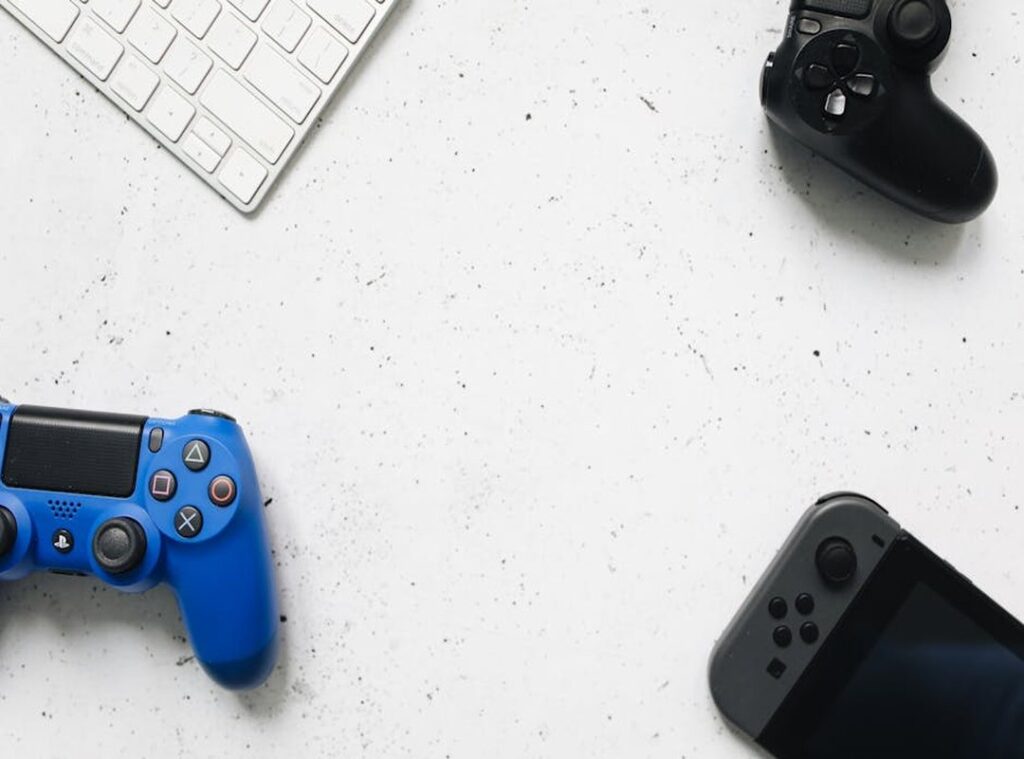
You’re not just setting up a console and calling it a day.
You want real engagement. Not awkward silence after the first match ends.
The gaming industry hit $200 billion last year. It’s not a trend. It’s where people spend their time.
And you’re tired of guessing what works.
I’ve run gaming events for schools, corporate teams, and festivals. Over ten years. Seen what sticks and what flops.
Most guides tell you to “add energy” or “pick popular games.” That’s useless.
Games Tgarchirvetech isn’t about gear lists or flashy setups.
It’s about flow. Timing. Reading the room.
This guide breaks down exactly how to build that. Not just for gamers, but for everyone in the room.
No theory. Just steps I’ve used, tested, and fixed on-site.
You’ll walk away knowing what to do next. Not someday. Now.
Gaming Solutions: Not a Product. A Whole Damn Show.
A “Gaming Entertainment Solution” isn’t a box you open and plug in. It’s the full experience. The lights.
The crowd noise. The guy handing out energy drinks at 2 a.m.
Tgarchirvetech gets this right away. Most vendors sell you a console or a PC and call it a day. That’s like buying a guitar and thinking you’re ready for Coachella.
Hardware & Infrastructure is where it starts (but) not with specs. With what actually works when ten people are streaming, VR-ing, and yelling at each other simultaneously. PS5s.
Xbox Series X. High-refresh monitors. Racing wheels that don’t break after two weekends.
And yes (real) networking. Not just Wi-Fi that dies when someone opens Netflix.
Software? That’s not just Steam shortcuts on a desktop. It’s licensed games people want to play (no) gray-market junk.
It’s tournament software that auto-generates brackets (and doesn’t crash mid-final). It’s overlays that actually look good on stream. Not pixelated text from 2013.
Then there’s the human part. Because hardware breaks. Players get confused.
Games Tgarchirvetech? That’s the phrase some vendors slap on brochures to sound official. Don’t fall for it.
Someone always tries to hot-swap a GPU mid-tournament. You need staff who know how to fix it (fast.) You need shoutcasters who sound awake. You need someone managing lines, schedules, and snack inventory like it’s mission-key (it is).
Ask: Who shows up when the headset stops working?
Ask: Who updates the game library every month (not) just once a year?
But ask: Who trained your staff to handle a 30-person LAN party without losing their voice?
If the answer is “no one,” walk away. Seriously. I’ve seen too many “solutions” turn into glorified arcade cabinets with no plan behind them.
You don’t need more gear. You need coordination. You need readiness.
You need people who’ve done this before (and) still show up early.
One Size Fits Zero: Tailor or Fail
I’ve watched too many gaming events crash because someone assumed “fun” meant the same thing to everyone.
It doesn’t.
You wouldn’t run a marathon in flip-flops. So why host a corporate team-building event with Valorant?
Let’s be real: the most successful gaming events are built for one thing (and) one thing only.
Not two. Not three. One.
For Corporate Team Building, forget rankings and leaderboards. You want people laughing while pretending to cook together. Overcooked works. Jackbox Games works. They’re low-stakes, fast to start, and nobody needs a gaming PC.
If your goal is communication (not) competition (then) forcing people into a 60fps twitch shooter is just bad logistics.
(And yes, I’ve seen it happen. Twice.)
For Brand Activation & Public Events, you need spectacle. Big screens. Crowd noise.
A live announcer yelling over Street Fighter 6. Or FIFA with real-time stats flashing overhead.
This isn’t about who wins. It’s about who stops walking past your booth.
Audio matters. Lighting matters. The game has to look good from 20 feet away.
If no one’s filming it for TikTok, you’ve already lost half the battle.
For Competitive Esports Tournaments, everything gets surgical. Identical monitors. 144Hz minimum. Wired connections only.
No shared Wi-Fi. Valorant. League of Legends. Not Minecraft.
This isn’t casual. It’s professional. One mismatched monitor can cost a player a match.
You think pros care about your brand colors? They care if their input lag is under 8ms.
That’s why setup isn’t optional (it’s) the foundation.
Some folks still treat gaming events like generic entertainment. They don’t.
The wrong game, the wrong gear, the wrong crowd. It all compounds.
I saw a brand spend $50K on an activation that flopped because they used Rocket League instead of Mario Kart for families. Nobody told them.
You’ll find better examples in Tgarchirvetech News.
Games Tgarchirvetech? That phrase means nothing unless you know why you’re using it.
So ask yourself first: Who am I serving?
Then pick the game.
Then build around it.
Not the other way around.
What Actually Makes a Gaming Setup Feel Pro

I’ve walked into dozens of events where the gear looked expensive but felt amateur.
It wasn’t the hardware that failed. It was the integration.
If your screen, audio, controllers, and software don’t talk to each other before the event starts. You’re gambling. Not testing means betting your audience’s first impression on luck.
(Spoiler: it never pays off.)
Smooth Integration is non-negotiable. Not “mostly works.” Not “works after three reboots.” Flawless. Every time.
Then there’s atmosphere. You think people only care about the game? Wrong.
They feel the room first.
Themed lighting sets tone faster than any intro video. Sound systems that don’t crackle at peak volume? That’s half the immersion right there.
And seating. No one stays engaged for 90 minutes on a folding chair. Comfort isn’t luxury.
It’s retention.
Scalability matters more than most realize.
A setup that handles four players smoothly but chokes at 16? That’s not pro. That’s hopeful.
Real scalability means going from a lounge corner to a full tournament floor without swapping core systems. No reconfiguration. No dropped frames.
Just add players.
And engagement doesn’t stop when the match ends.
Live leaderboards update in real time. Not every 30 seconds. Social feeds pull in #eventhashtag posts instantly.
Commentary streams go out with zero lag and clean audio. That remote viewer? They’re part of it, not watching from the outside.
You don’t get this by bolting things together.
You get it by choosing systems built for each other.
That’s why I always point people toward setups like Tgarchirvetech Gaming. They bake these features in, not bolt them on.
Games Tgarchirvetech isn’t just another stack of gear.
It’s the difference between hosting an event (and) owning the room.
Level Up Your Next Event
I’ve been there. Staring at a blank calendar. Wondering how to make your event stick in people’s minds.
Creating a truly engaging gaming event is complex. It’s intimidating. You don’t want to waste budget on hype that fizzles.
The fix isn’t more tech. It’s smarter choices. Knowing what works.
And what doesn’t (for) your audience.
Games Tgarchirvetech gives you that clarity. Not theory. Not templates.
Real levers you pull.
You need engagement. Team cohesion. Brand loyalty.
Not another forgettable afternoon.
Most events fail because they’re built for everyone (and) end up resonating with no one.
What if your next event didn’t just land (but) stuck?
Stop guessing and start planning.
Let’s build an unforgettable gaming experience for your audience together.
 There is a specific skill involved in explaining something clearly — one that is completely separate from actually knowing the subject. Kimberly Beauregardovers has both. They has spent years working with core gaming mechanics and tips in a hands-on capacity, and an equal amount of time figuring out how to translate that experience into writing that people with different backgrounds can actually absorb and use.
Kimberly tends to approach complex subjects — Core Gaming Mechanics and Tips, Dingo-Level Game Tuning Techniques, Esports Strategy and Player Insights being good examples — by starting with what the reader already knows, then building outward from there rather than dropping them in the deep end. It sounds like a small thing. In practice it makes a significant difference in whether someone finishes the article or abandons it halfway through. They is also good at knowing when to stop — a surprisingly underrated skill. Some writers bury useful information under so many caveats and qualifications that the point disappears. Kimberly knows where the point is and gets there without too many detours.
The practical effect of all this is that people who read Kimberly's work tend to come away actually capable of doing something with it. Not just vaguely informed — actually capable. For a writer working in core gaming mechanics and tips, that is probably the best possible outcome, and it's the standard Kimberly holds they's own work to.
There is a specific skill involved in explaining something clearly — one that is completely separate from actually knowing the subject. Kimberly Beauregardovers has both. They has spent years working with core gaming mechanics and tips in a hands-on capacity, and an equal amount of time figuring out how to translate that experience into writing that people with different backgrounds can actually absorb and use.
Kimberly tends to approach complex subjects — Core Gaming Mechanics and Tips, Dingo-Level Game Tuning Techniques, Esports Strategy and Player Insights being good examples — by starting with what the reader already knows, then building outward from there rather than dropping them in the deep end. It sounds like a small thing. In practice it makes a significant difference in whether someone finishes the article or abandons it halfway through. They is also good at knowing when to stop — a surprisingly underrated skill. Some writers bury useful information under so many caveats and qualifications that the point disappears. Kimberly knows where the point is and gets there without too many detours.
The practical effect of all this is that people who read Kimberly's work tend to come away actually capable of doing something with it. Not just vaguely informed — actually capable. For a writer working in core gaming mechanics and tips, that is probably the best possible outcome, and it's the standard Kimberly holds they's own work to.