
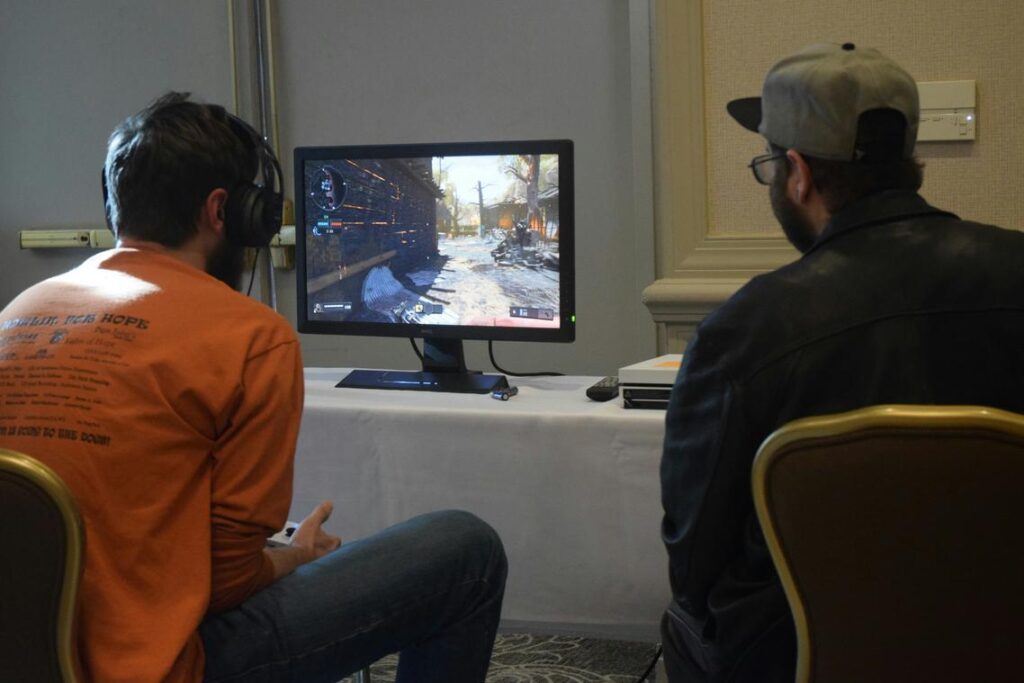
Staying competitive in today’s gaming landscape takes more than fast reflexes and good instincts. Players are searching for smarter ways to master core mechanics, optimize performance, and gain an edge in both casual and competitive environments. This article is built to meet that need—breaking down hot gaming topics, advanced strategies, esports insights, and practical optimization hacks that actually improve results.
We focus on what works in real matches, not just theory. From refining in-game mechanics to applying data-driven game tuning for measurable performance gains, every insight is grounded in analysis of gameplay patterns, meta shifts, and competitive trends. If you’re looking to level up your strategy, fine-tune your setup, and understand the mechanics behind high-level play, you’ll find actionable guidance here.
Whether you’re pushing ranked ladders or optimizing your platform for smoother performance, this guide delivers clear, experience-backed strategies designed to help you play smarter and win more consistently.
Beyond the Scoreboard: Turning Gameplay Data into Dominance
Great games often stumble when sudden difficulty spikes punish players without warning (we’ve all rage-quit at least once). Instead of trusting gut feelings, start by tracking completion rates, time-to-fail, damage-per-minute, and churn after key levels. Next, compare high-skill and new-player cohorts to spot imbalance. For example, if 70% of players drop after a boss, adjust health scaling or telegraph attacks more clearly. Then, run small A/B tests and monitor retention shifts. This is where data-driven game tuning shines. Finally, document changes and repeat weekly reviews to turn insights into measurable engagement gains.
The Core Vitals: Key Metrics That Define Player Experience
By leveraging data-driven game tuning through player behavior analytics, developers can create a more balanced competitive experience, which ties in perfectly with our essential Pre-Match Preparation Checklist for Competitive Play.
Great games aren’t built on vibes alone (even if they feel magical). They’re built on metrics. If you want a thriving title, focus on three core vitals.
Player Engagement Metrics
Start with session length, Daily Active Users (DAU), Monthly Active Users (MAU), and retention rates—D1, D7, and D30. D1 retention measures how many players return the day after install. D7 and D30 track weekly and monthly stickiness. Industry benchmarks show top mobile games often target 35–45% D1 retention and 10–20% D30 retention (GameAnalytics, 2023).
A sharp D1 drop-off signals onboarding friction. Weak D7 suggests shallow core loops. Poor D30? Your long-term progression likely lacks depth. Recommendation: refine tutorials, reward early mastery fast, and introduce meaningful mid-game goals before day seven.
Game Performance Metrics
Performance defines how a game feels. Track average FPS (frames per second), scene loading times, and crash rates per platform. Studies show even a 1-second delay can reduce engagement significantly (Google Web Performance Research, 2018).
If FPS dips below 30 in action sequences, expect frustration. High crash rates on specific devices? Optimize there first. Players forgive difficulty, not instability. Prioritize platform-specific optimization passes before adding new features.
Player Behavior Metrics
Behavior metrics explain the “why.” Heatmaps reveal movement and death clusters. Feature adoption rates show whether systems like crafting are ignored. Level completion funnels highlight exact quit points.
Use data-driven game tuning to adjust enemy placement, resource density, and progression pacing. If 60% of players abandon Level 3, rebalance it immediately. Recommendation: review funnels weekly and ship micro-adjustments fast (think live-service cadence, not yearly patches).
The Data Toolkit: How to Capture Actionable Gameplay Metrics
Back in 2019, many indie teams relied purely on instinct to balance their games. Three months post-launch, they’d scramble to patch broken economies or overpowered weapons (cue the emergency nerf). Today, we have better tools.
Built-in Analytics Platforms
Out-of-the-box solutions like Unity Analytics, Unreal Insights, and GameAnalytics let you track core metrics—session length, retention, churn—within hours, not weeks. That speed matters during early access or beta.
Pros:
- Fast implementation
- Prebuilt dashboards
- Reliable tracking for standard KPIs
Cons:
- Limited flexibility
- Generic event structures
- Can miss niche design questions
Some developers argue built-in tools are “good enough.” For broad trends, that’s true. But when you need precision, they often fall short.
Custom Event Tracking (Telemetry)
Telemetry means creating your own in-game data hooks to answer specific questions. Think: “weaponXused,” “tutorialstepcompleted,” or “bossphasetwo_failed.” After six weeks of targeted tracking, you might discover 68% of players never finish your tutorial (a red flag worth fixing).
This is where data-driven game tuning becomes powerful. You’re not guessing—you’re validating.
For deeper systems work, see advanced game balancing techniques for competitive fairness.
Qualitative Feedback Channels
Numbers explain what happened. Discord chats, beta surveys, and forum threads explain why. A spike in quit rates might align with players calling a mechanic “cheap.” Context matters.
The Principle of Clean Data
Plan metrics before launch. Otherwise, you collect noise instead of insight. Measure with intent—or risk drowning in spreadsheets (and nobody ships faster that way).
From Raw Data to Refined Gameplay: The Analysis Process in Action

Great gameplay isn’t magic. It’s methodical. And when you understand the process, you gain a clear advantage: better retention, stronger balance, and a game players actually want to stick with.
Step 1: Identify Bottlenecks and Friction Points
Start with player behavior. If level completion data shows 60% of players quit at a specific boss, that’s not “difficulty”—that’s a signal. Now layer in heatmaps (visual maps showing where players move and die). If most deaths happen in one corner of the arena, you’ve pinpointed a design flaw.
Maybe the boss attack stacks unfairly in that zone. Maybe visibility is poor. Either way, you’ve moved from guessing to knowing. The benefit? Faster fixes, fewer frustrated players, and stronger D1 retention (the percentage of players who return on Day 1).
Step 2: Balancing Core Mechanics with Data
Theory is nice. Stats are better.
If 90% of players use one gun, it’s likely overpowered. If a character class shows a 20% lower win rate, it needs adjustment. This is where Dingo-Level Tuning comes in—small, precise tweaks instead of sweeping changes.
Think of it like adjusting seasoning, not rewriting the recipe (no one wants a balance patch that feels like a reboot). Strategic, data-driven game tuning improves fairness, extends meta longevity, and keeps competitive communities engaged.
Step 3: A/B Testing for Optimization
A/B testing means showing two different versions of something to separate player groups. For example:
- Change tutorial wording for 10% of new players
- Compare their D1 retention against the control group
If retention improves, you scale the change. If not, you revert. Low risk. High clarity. Real gains.
Step 4: Creating the Feedback Loop
Optimization is a cycle:
Collect Data → Analyze Insights → Implement Change → Measure Impact
Repeat consistently.
This iterative loop compounds results over time. Better balance leads to happier players. Happier players stay longer. Longer engagement drives growth. And that’s the real win.
Your Framework for Continuous Improvement
You’ve seen the pattern: the most reliable way to improve a game isn’t guesswork—it’s measurement. When you analyze gameplay metrics, you stop debating opinions and start interpreting evidence. Player actions are feedback.
If you’re still relying on forums or gut instinct alone, you’re solving the wrong problem. The real issue isn’t creativity; it’s clarity. Watch what players do, not just what they say.
Here’s what to focus on:
- Engagement trends
- Performance balance
- Behavioral drop-offs
This is where data-driven game tuning makes the difference. Start today: review your Day 1 retention rate and make one precise optimization based on what the numbers reveal.
Level Up Your Strategy and Start Winning Smarter
You came here looking for a real edge—clear insights into gaming mechanics, smarter esports strategies, and tuning techniques that actually improve performance. Now you have the blueprint.
The difference between average players and consistent winners isn’t luck. It’s precision. It’s understanding core mechanics at a deeper level. It’s applying data-driven game tuning to optimize every move, build, and decision. When your setup, strategy, and execution align, you stop reacting—and start dominating.
If you’re tired of inconsistent results, missed opportunities, and feeling one step behind the meta, it’s time to act. Apply these tuning techniques. Refine your platform settings. Optimize your mechanics. Then test, adjust, and scale your performance.
Thousands of competitive players are already sharpening their edge with proven optimization strategies and high-level insights. Don’t stay stuck at the same rank.
Start implementing these upgrades today and turn your gameplay into a calculated, winning machine.
 There is a specific skill involved in explaining something clearly — one that is completely separate from actually knowing the subject. Kimberly Beauregardovers has both. They has spent years working with core gaming mechanics and tips in a hands-on capacity, and an equal amount of time figuring out how to translate that experience into writing that people with different backgrounds can actually absorb and use.
Kimberly tends to approach complex subjects — Core Gaming Mechanics and Tips, Dingo-Level Game Tuning Techniques, Esports Strategy and Player Insights being good examples — by starting with what the reader already knows, then building outward from there rather than dropping them in the deep end. It sounds like a small thing. In practice it makes a significant difference in whether someone finishes the article or abandons it halfway through. They is also good at knowing when to stop — a surprisingly underrated skill. Some writers bury useful information under so many caveats and qualifications that the point disappears. Kimberly knows where the point is and gets there without too many detours.
The practical effect of all this is that people who read Kimberly's work tend to come away actually capable of doing something with it. Not just vaguely informed — actually capable. For a writer working in core gaming mechanics and tips, that is probably the best possible outcome, and it's the standard Kimberly holds they's own work to.
There is a specific skill involved in explaining something clearly — one that is completely separate from actually knowing the subject. Kimberly Beauregardovers has both. They has spent years working with core gaming mechanics and tips in a hands-on capacity, and an equal amount of time figuring out how to translate that experience into writing that people with different backgrounds can actually absorb and use.
Kimberly tends to approach complex subjects — Core Gaming Mechanics and Tips, Dingo-Level Game Tuning Techniques, Esports Strategy and Player Insights being good examples — by starting with what the reader already knows, then building outward from there rather than dropping them in the deep end. It sounds like a small thing. In practice it makes a significant difference in whether someone finishes the article or abandons it halfway through. They is also good at knowing when to stop — a surprisingly underrated skill. Some writers bury useful information under so many caveats and qualifications that the point disappears. Kimberly knows where the point is and gets there without too many detours.
The practical effect of all this is that people who read Kimberly's work tend to come away actually capable of doing something with it. Not just vaguely informed — actually capable. For a writer working in core gaming mechanics and tips, that is probably the best possible outcome, and it's the standard Kimberly holds they's own work to.