

If you’re searching for ways to improve engagement, retention, and long-term player satisfaction, you’re likely looking for actionable insights into player reward system design that actually work in today’s competitive gaming landscape. With players expecting smarter progression systems, meaningful incentives, and balanced economies, getting rewards right is no longer optional—it’s essential.
This article breaks down the core mechanics behind effective reward structures, from progression loops and milestone incentives to competitive esports-driven bonuses and advanced tuning techniques. We’ll explore what keeps players motivated, how to avoid common balancing mistakes, and how optimization tweaks can dramatically improve in-game economies.
Our insights are grounded in hands-on analysis of live game systems, competitive meta trends, and platform-level performance optimization strategies. By the end, you’ll have a clear, practical understanding of how to structure rewards that keep players engaged, invested, and coming back for more.
Many players believe rewards are secretly stacked against them. They argue randomness keeps things exciting, like pulling a rare skin in Fortnite. Fair point. Uncertainty can boost dopamine (and yes, that thrill matters). But when odds are hidden or progression feels endless, trust erodes.
A fair player reward system design rests on three pillars:
- Transparency about drop rates and progression math
- Consistency so effort maps to outcome
- Meaningful choice in how rewards are earned
Critics say transparency kills mystery. I disagree. Clear systems surprise; they don’t deceive. When players understand the rules, generosity feels real, not rigged.
The Core Pillars of Perceived Fairness
By understanding the psychology behind player motivation in reward systems, you can create experiences that not only hold attention but also pair well with the optimal graphics settings that enhance gameplay, as discussed in our article on the Best Graphics Settings for Performance Without Sacrificing Quality.
Fairness in games isn’t just about balance—it’s about perception. And perception, as any Dark Souls veteran will tell you, is everything.
Pillar 1: Effort-to-Reward Consistency
Players need to feel that time and skill translate into proportional gains. A linear reward model (every match = 100 gold) is predictable but can feel flat. A diminishing returns model (first win = 100 gold, fifth = 40) encourages moderation but risks frustration if rewards drop too sharply.
Recommendation: Anchor rewards to visible effort. If a raid takes twice as long and requires coordination, it should clearly pay more. When in doubt, slightly over-reward skill (players remember generosity).
Pillar 2: Predictability and Randomness (The RNG Balance)
Predictable systems—like “10 wins = 1 chest”—build trust. Random drops create excitement. However, too much RNG feels chaotic.
So, combine both:
- Guaranteed milestone rewards
- Low-percentage bonus drops
- Transparent odds disclosures
This hybrid approach keeps engagement high without eroding confidence in your player reward system design.
Pillar 3: Eliminating “Feels Bad” Moments
Nothing kills motivation faster than endless bad luck. Use pity timers, duplicate protection, and escalating drop rates. In other words, protect players from statistical cruelty.
Actionable Tip:
Baseline Reward = Time Spent + (Difficulty × Multiplier)
Start here, then tune upward—not downward—to maintain goodwill.
Architecting Transparency: How to Show Players the Math
Transparency in reward systems isn’t just ethical—it’s profitable. When you publish exact drop rates (for example, “5% chance to drop” instead of “a chance to win”), you replace suspicion with clarity. Players may see a low percentage, but they also see honesty. Studies on consumer trust show disclosure increases long-term engagement and spending intent (Harvard Business Review, 2020). What’s in it for you? Higher retention, fewer support tickets, and a community that defends your design instead of questioning it.
The Power of Published Drop Rates
Displaying exact probabilities transforms randomness into informed choice. In player reward system design, clarity reduces the “rigged” narrative that can tank goodwill overnight. Even when odds are slim, players appreciate knowing the math. (Think of it like nutrition labels for loot.) Pro tip: place rates one click away at most—buried transparency feels like hidden transparency.
Visualizing Progress
People stay motivated when progress is visible. XP bars, milestone trackers, and punch cards tap into the goal-gradient effect—we accelerate effort as we near completion (Hull, 1932). Showing players they’re 80% toward a reward boosts session time and return visits. A clean UI with segmented progress markers makes advancement feel tangible, not abstract.
Clear and Concise Language
Ambiguity erodes trust. Replace vague phrasing with direct statements. “Earn 1 token per win. 10 tokens unlock a crate.” Simple. Concrete. Defensible.
Case Study: Genshin Impact’s Pity System
Genshin Impact publicly details its “pity” mechanic: after 90 pulls, a 5-star is guaranteed. This transparency reframes spending as predictable progression, not blind luck. The benefit? Players feel in control—and controlled players stick around.
Balancing the Reward Economy: Intrinsic vs. Extrinsic Motivation
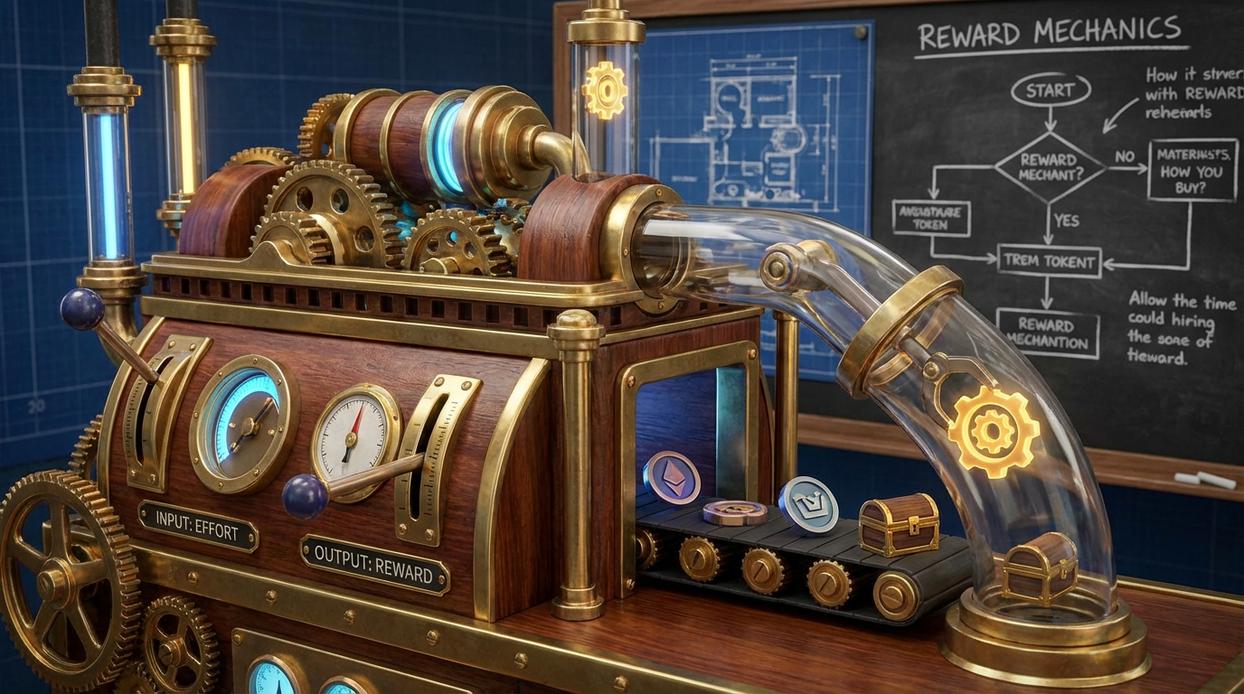
I once worked on a competitive ladder system where players logged in daily just to improve their rank. Then we added generous coin bonuses for every match. Engagement spiked—briefly. A month later, ranked participation dropped. Players told us it “felt like a job.” That was my crash course in balancing motivation.
Extrinsic rewards are external incentives: loot drops, in-game currency, skins, battle pass tiers. Intrinsic rewards come from within: mastery, higher rank, story progression, social recognition. Think of it this way: coins are extrinsic; the pride of finally landing that perfect combo is intrinsic.
Some designers argue more rewards always equal more retention. After all, variable rewards are proven to drive engagement (Hamari et al., 2014). But psychology warns about the over-justification effect—when you overpay someone for something they already enjoy, their internal drive shrinks (Deci, Koestner, & Ryan, 1999). It’s like turning a pickup basketball game into mandatory overtime.
So how do we align them?
- Tie rare cosmetics to difficult achievements.
- Use titles that publicly signal mastery.
- Let currency unlock tools that deepen skill expression.
That’s synergistic design: extrinsic rewards amplifying intrinsic goals.
A practical tuning method I rely on is a reward calendar. Map out daily (light engagement), weekly (skill tests), and seasonal (prestige arcs) incentives. This prevents burnout and economic inflation—common pitfalls in player reward system design. Pro tip: if your best rewards are daily chores, your endgame will feel like admin work.
For deeper optimization frameworks, explore data driven game tuning using player behavior analytics.
Balance the economy, and players stay for the love of the game—not just the loot.
System Tuning and Long-Term Health
Data beats guesswork. After launch, compare Scenario A vs Scenario B: A) players hit reward caps in a week, B) progression stretches across a season. The first signals imbalance; the second suggests healthy pacing. Track acquisition rates and dormant rewards in your player reward system design.
Avoiding Reward Inflation: Adding stronger loot monthly (A) excites briefly but devalues legacy gear; introducing seasonal resets or cosmetic-only tiers (B) preserves prestige. Think Diablo seasons vs endless power creep.
Player Feedback Loops: Forums and Discord (A) capture raw sentiment; structured surveys (B) quantify fairness perceptions.
Pro tip: review metrics biweekly, not reactively.
Building a System That Respects Player Investment
A great system rests on consistency, transparency, and a balanced mix of rewards. In player reward system design, small cracks become churn. An unfair loop doesn’t just frustrate; it pushes players out (and they rarely come back).
Compare:
- A: Effort matches reward, rules are clear, bonuses feel earned.
- B: Random spikes, hidden odds, grind with no payoff.
Players trust A. They abandon B.
This works because respect creates a positive feedback loop: effort → reward → trust → retention. Pro tip: map your core loop first, then enforce Effort-to-Reward Consistency before layering extras. Start there, refine, and watch engagement compound.
Level Up Your Strategy and Start Winning Smarter
You came here to understand how smarter mechanics, optimized systems, and competitive insights can elevate your gameplay—and now you have the blueprint to do exactly that. From mastering core mechanics to refining your player reward system design, you’ve seen how small strategic adjustments can create massive in-game advantages.
The frustration of grinding without real progress, losing to better-optimized opponents, or missing hidden performance tweaks doesn’t have to continue. Winning isn’t just about skill—it’s about smart tuning, calculated strategy, and leveraging every advantage available.
Now it’s your move. Apply these optimization hacks, refine your builds, and rethink how rewards drive performance in your sessions. Don’t settle for average gameplay when elite results are within reach.
If you’re serious about dominating your platform and outplaying the competition, start implementing these strategies today and transform every match into measurable progress. Your next level isn’t luck—it’s execution.
 Louise Eppersonevida is the kind of writer who genuinely cannot publish something without checking it twice. Maybe three times. They came to core gaming mechanics and tips through years of hands-on work rather than theory, which means the things they writes about — Core Gaming Mechanics and Tips, Dingo-Level Game Tuning Techniques, Esports Strategy and Player Insights, among other areas — are things they has actually tested, questioned, and revised opinions on more than once.
That shows in the work. Louise's pieces tend to go a level deeper than most. Not in a way that becomes unreadable, but in a way that makes you realize you'd been missing something important. They has a habit of finding the detail that everybody else glosses over and making it the center of the story — which sounds simple, but takes a rare combination of curiosity and patience to pull off consistently. The writing never feels rushed. It feels like someone who sat with the subject long enough to actually understand it.
Outside of specific topics, what Louise cares about most is whether the reader walks away with something useful. Not impressed. Not entertained. Useful. That's a harder bar to clear than it sounds, and they clears it more often than not — which is why readers tend to remember Louise's articles long after they've forgotten the headline.
Louise Eppersonevida is the kind of writer who genuinely cannot publish something without checking it twice. Maybe three times. They came to core gaming mechanics and tips through years of hands-on work rather than theory, which means the things they writes about — Core Gaming Mechanics and Tips, Dingo-Level Game Tuning Techniques, Esports Strategy and Player Insights, among other areas — are things they has actually tested, questioned, and revised opinions on more than once.
That shows in the work. Louise's pieces tend to go a level deeper than most. Not in a way that becomes unreadable, but in a way that makes you realize you'd been missing something important. They has a habit of finding the detail that everybody else glosses over and making it the center of the story — which sounds simple, but takes a rare combination of curiosity and patience to pull off consistently. The writing never feels rushed. It feels like someone who sat with the subject long enough to actually understand it.
Outside of specific topics, what Louise cares about most is whether the reader walks away with something useful. Not impressed. Not entertained. Useful. That's a harder bar to clear than it sounds, and they clears it more often than not — which is why readers tend to remember Louise's articles long after they've forgotten the headline.