
If you’re searching for sharper strategies, smarter optimization, and a deeper edge in today’s competitive gaming landscape, you’re in the right place. This article is built to break down the hot topics shaping the scene right now—while zeroing in on the core gameplay mechanics that actually determine wins and losses.
Many players get stuck chasing surface-level tips, missing the underlying systems that drive performance. We focus on what truly moves the needle: advanced tuning techniques, esports-level strategic adjustments, and platform optimization hacks that translate directly into better in-game execution.
Our insights are grounded in hands-on testing, high-level competitive analysis, and continuous breakdowns of evolving metas across multiple platforms. Instead of recycled advice, you’ll get practical, experience-backed guidance designed to help you refine mechanics, optimize performance, and elevate your play with confidence.
Let’s dive into what really matters—and how to use it to gain a measurable advantage.
The Unseen Architecture of Great Games
Before diving into the intricacies of core gameplay mechanics, it’s essential to familiarize yourself with the game’s unique features, such as those outlined in our article on How to Play the Hondingo88.
Ever finish a game and say, “I don’t know why, but that just feels perfect?” A designer once told me, “If players notice the structure, we’ve failed.” That invisible structure is built from core gameplay mechanics—repeatable systems that govern what players can do and how the world responds. Think jumping in Mario or looting in Diablo (yes, that dopamine loop).
Some argue graphics or story matter more. Sure, spectacle helps. But as one esports coach said, “If the inputs aren’t tight, nothing else saves it.”
– Underline
-
Understand the architecture, and every game suddenly makes sense.
The Core Loop: A Game’s Heartbeat
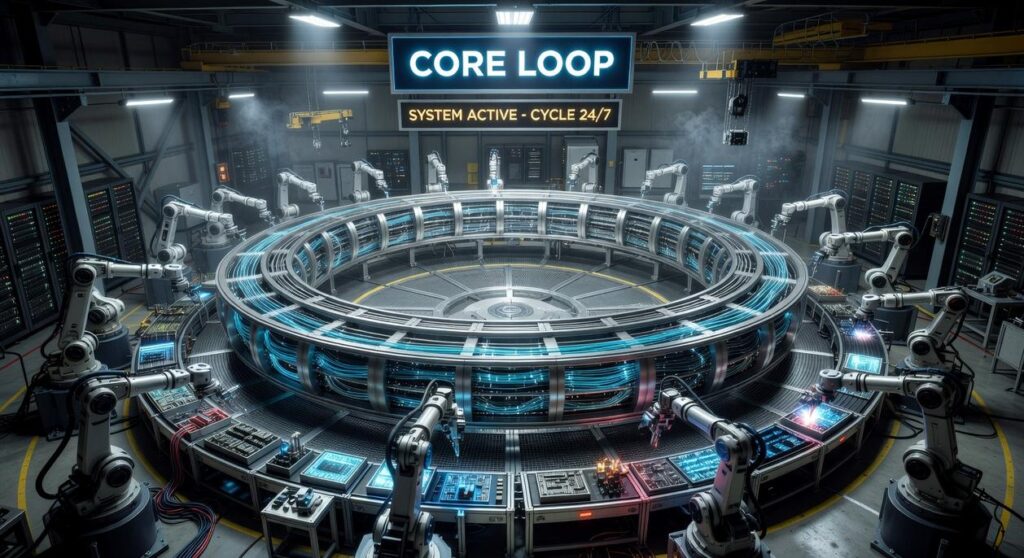
At the center of every great game is its core loop—the primary set of actions a player repeats again and again. Think of it as the game’s heartbeat. When it’s strong and steady, players stay. When it’s weak, no amount of flashy graphics can save it (yes, even if it looks like a summer blockbuster).
In action games like DOOM, the loop is lightning-fast:
- Identify Threat
- Maneuver/Dodge
- Use Weapon
- Collect Resources
- Repeat
It’s immediate and visceral. You see a demon, you react, you blast, you grab ammo, you move on. A vs B comparison makes this clear: DOOM prioritizes reflex and momentum, rewarding aggression and split-second decisions.
Now compare that to a strategy title like Cities: Skylines:
- Assess Need (power, traffic, housing)
- Zone/Build Solution
- Collect Tax Revenue
- Assess New Need
- Repeat
Here, the rhythm is slower and cerebral. Instead of dodging fireballs, you’re balancing budgets. One loop fuels adrenaline; the other fuels long-term planning.
Both rely on tight core gameplay mechanics, but their emotional payoffs differ dramatically.
Some argue story or graphics matter more. They help—but if the repeated action isn’t satisfying, players churn. (No one sticks around for a beautiful loading screen.) A rewarding loop is foundational; everything else layers on top of it, not the other way around.
For deeper breakdowns, see this game design guide.
Rules as Enablers
Rules are not just limits; they are the physics of play. Without gravity, a jump is meaningless. Without a health limit, danger disappears. In other words, constraints create stakes, and stakes create excitement. That’s the first benefit: when you understand systems, you play smarter, not harder.
Some systems are explicit—health bars, skill trees, inventory grids. Others are implicit, like physics engines or enemy AI patterns. Learning to read both gives you a competitive edge because you start predicting, not reacting. If you’ve ever studied understanding hitboxes and hurtboxes in competitive games, you already know how hidden rules shape outcomes.
Consider Breath of the Wild. Its interlocking weather, physics, and chemistry systems generate emergent gameplay—unexpected moments born from simple rules. Rain makes cliffs slippery; fire creates updrafts; electricity travels through metal. Consequently, creativity becomes a survival tool. You’re not memorizing scripts; you’re experimenting within a living system.
Tuning for Balance
Developers refine these core gameplay mechanics through tuning:
- Adjusting cooldowns
- Tweaking drop rates
- Rebalancing damage values.
Small numerical shifts can transform frustration into flow. Pro tip: when a game feels unfair, look for the variable that’s slightly overtuned. Ultimately, understanding rules empowers you to adapt, optimize, and enjoy deeper, more rewarding experiences. Systems reward curiosity and punish carelessness, and recognizing that pattern keeps you ahead. Knowledge turns limits into leverage.
Player Agency and Meaningful Choice
What Is Player Agency?
Player agency is the ability to make meaningful decisions that impact the game world. It’s the feeling that my choices matter. When a player sees the consequences of an action—good, bad, or morally messy—that’s agency in motion. Think of deciding a faction’s fate in an RPG and watching towns change because of it (yes, like choosing between the Imperials or Stormcloaks in Skyrim).
Agency only works when outcomes are visible and consequential.
The Spectrum of Choice
Not all choices are equal:
- Cosmetic choices: Changing outfits or skins (fun, expressive, but low impact).
- Strategic choices: Allocating skill points or gear loadouts (affects performance).
- Narrative choices: Deciding alliances or character fates (reshapes story paths).
If you’re wondering why a game feels shallow, check where it sits on this spectrum.
Mechanics That Drive Agency
Skill trees, dialogue wheels, and branching questlines are core gameplay mechanics that hand control to the player. They let you specialize, persuade, betray, or explore differently each playthrough.
Pro tip: If a skill tree has no trade-offs, it’s not real agency—it’s delayed gratification.
The Illusion of Choice
Some games funnel players to similar endings while masking it with different dialogue or cutscenes. Surprisingly, this can still feel powerful. When done well, perception creates impact (and players rarely peek behind the curtain).
Feedback and Reward: The Psychology of Satisfaction
Great games feel good before we even realize why. That magic is often called game feel—the polish that makes every action instantly satisfying (like the perfectly timed bass drop in your favorite hype song). It’s feedback layered onto core gameplay mechanics so players never wonder, “Did that work?”
Types of Feedback:
- Visual — hit-flashes, particle bursts, slow-motion finishers worthy of a Marvel final blow.
- Auditory — crunchy impact sounds, level-up chimes, the loot “ping” that hits like Pavlov’s bell.
- Haptic — controller vibration, from subtle pulses to full-on rumble.
Then there’s psychology. Variable reward schedules—randomized rewards delivered unpredictably—keep players hooked. Games like Diablo and Destiny thrive on random loot drops because uncertainty amplifies anticipation (the “just one more run” effect).
Pro tip: optimize feedback per platform. A gentle screen shake on PC might translate to stronger controller rumble on console. Different hardware, same dopamine hit.
Start by revisiting the four pillars: a compelling core loop, clear rules and systems, meaningful player agency, and satisfying feedback. You can feel them in hands—the rhythmic click of buttons, the flash of color when a combo lands, rising swell of music after a win. This framework sharpens your eye.
Now you see beyond surface polish and into the core gameplay mechanics that drive fun.
Use it to evaluate:
- The loop that pulls you back
- The rules that shape choice
- The feedback that feels electric
Next session, pause and listen. Notice the hum of tension and release.
Take Control of Your Competitive Edge
You came here to sharpen your edge and understand what actually moves the needle in competitive play. Now you’ve seen how smart adjustments to core gameplay mechanics, tighter optimization, and smarter strategy can completely change your results.
The frustration of hitting a skill ceiling, losing winnable matches, or falling behind in ranked play is real. Most players grind harder. The smart ones tune smarter. When you refine mechanics, optimize your platform, and apply dingo-level tuning techniques, you stop guessing and start dominating.
Now it’s time to act. Don’t let inconsistent performance hold you back another season. Dive into our latest guides, apply one optimization today, and start seeing measurable improvement immediately.
If you’re serious about winning, follow Hondingo88 for proven strategies trusted by competitive players who refuse to settle. Level up your setup, master your mechanics, and take control of your next match—starting now.
 Louise Eppersonevida is the kind of writer who genuinely cannot publish something without checking it twice. Maybe three times. They came to core gaming mechanics and tips through years of hands-on work rather than theory, which means the things they writes about — Core Gaming Mechanics and Tips, Dingo-Level Game Tuning Techniques, Esports Strategy and Player Insights, among other areas — are things they has actually tested, questioned, and revised opinions on more than once.
That shows in the work. Louise's pieces tend to go a level deeper than most. Not in a way that becomes unreadable, but in a way that makes you realize you'd been missing something important. They has a habit of finding the detail that everybody else glosses over and making it the center of the story — which sounds simple, but takes a rare combination of curiosity and patience to pull off consistently. The writing never feels rushed. It feels like someone who sat with the subject long enough to actually understand it.
Outside of specific topics, what Louise cares about most is whether the reader walks away with something useful. Not impressed. Not entertained. Useful. That's a harder bar to clear than it sounds, and they clears it more often than not — which is why readers tend to remember Louise's articles long after they've forgotten the headline.
Louise Eppersonevida is the kind of writer who genuinely cannot publish something without checking it twice. Maybe three times. They came to core gaming mechanics and tips through years of hands-on work rather than theory, which means the things they writes about — Core Gaming Mechanics and Tips, Dingo-Level Game Tuning Techniques, Esports Strategy and Player Insights, among other areas — are things they has actually tested, questioned, and revised opinions on more than once.
That shows in the work. Louise's pieces tend to go a level deeper than most. Not in a way that becomes unreadable, but in a way that makes you realize you'd been missing something important. They has a habit of finding the detail that everybody else glosses over and making it the center of the story — which sounds simple, but takes a rare combination of curiosity and patience to pull off consistently. The writing never feels rushed. It feels like someone who sat with the subject long enough to actually understand it.
Outside of specific topics, what Louise cares about most is whether the reader walks away with something useful. Not impressed. Not entertained. Useful. That's a harder bar to clear than it sounds, and they clears it more often than not — which is why readers tend to remember Louise's articles long after they've forgotten the headline.